Isaan, Thailand’s northeast
Isaan is rural and has its own language, music and food. Each province is a little different. Along the Mekong, people have shared language, family and trade with Laos for longer than there has been a border.
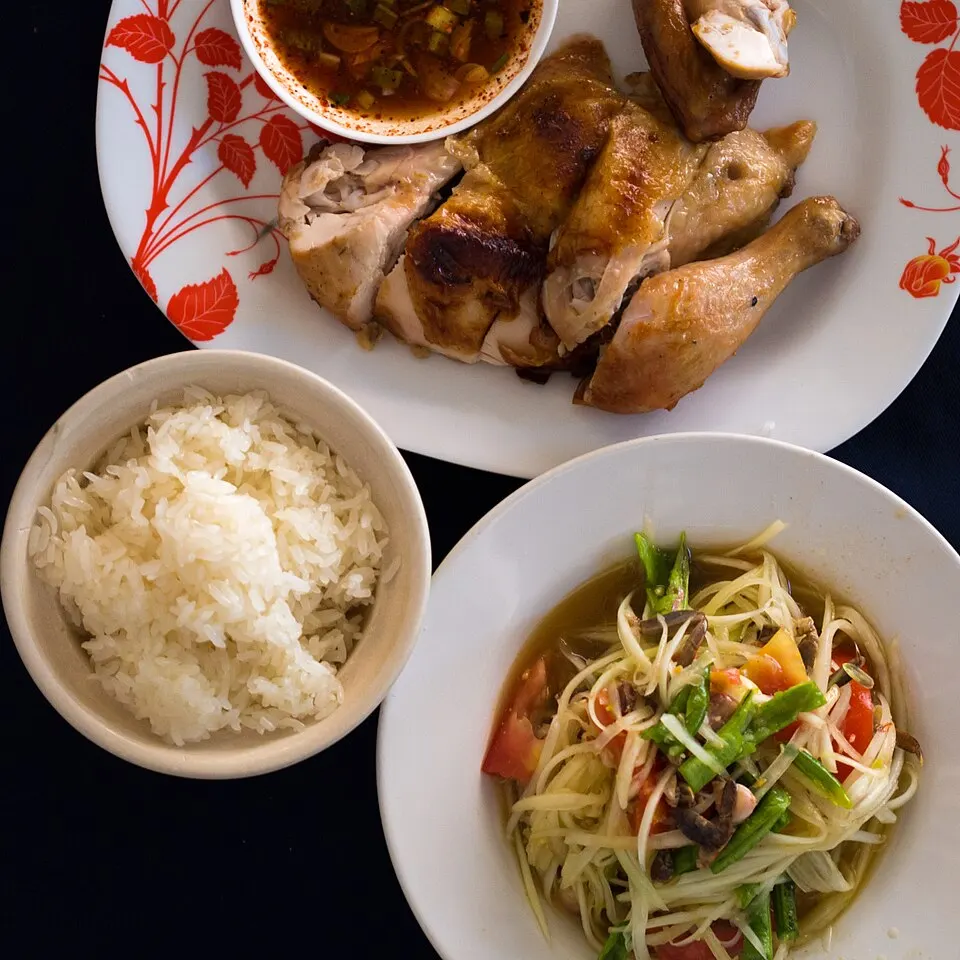
Isaan food อาหารอีสาน
Sour, fiery and fermented: som tam, larb and sticky rice, eaten with your hands. Poor soil and long dry seasons taught cooks to preserve everything.
Every province cooks it differently. Ubon is known for fermented fish, Khon Kaen for river greens.
Mor lam หมอลำ
Mor lam is storytelling sung to the khaen. Singers perform in local dialect and draw on old stories and village memory.
Bun Bang Fai บุญบั้งไฟ
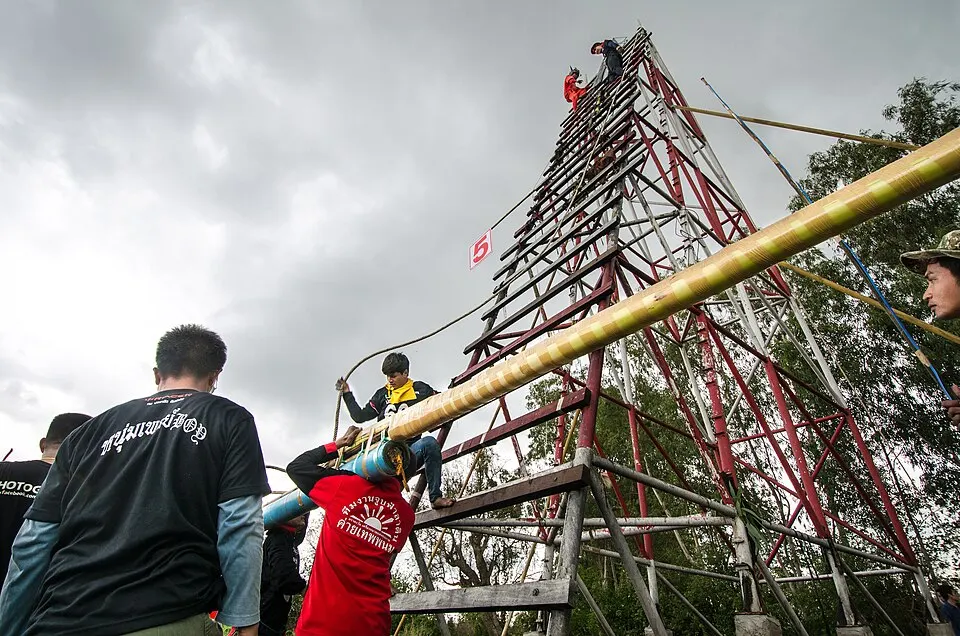
At the rocket festival, villages fire rockets at the sky to ask for rain before planting. It mixes Buddhist merit-making with older animist ritual, and each province does it a little differently.
Held in May and June. Yasothon hosts the biggest.
Village cooperatives
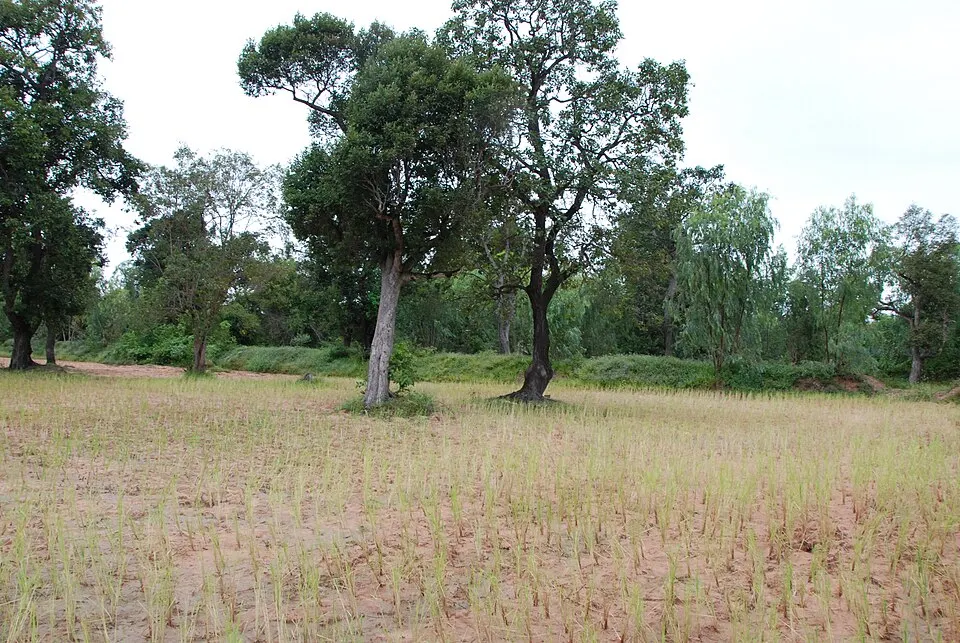
Villages run rice banks, share irrigation and farm collectively. The tradition is called ngan luam, working together.
The Mekong borderlands
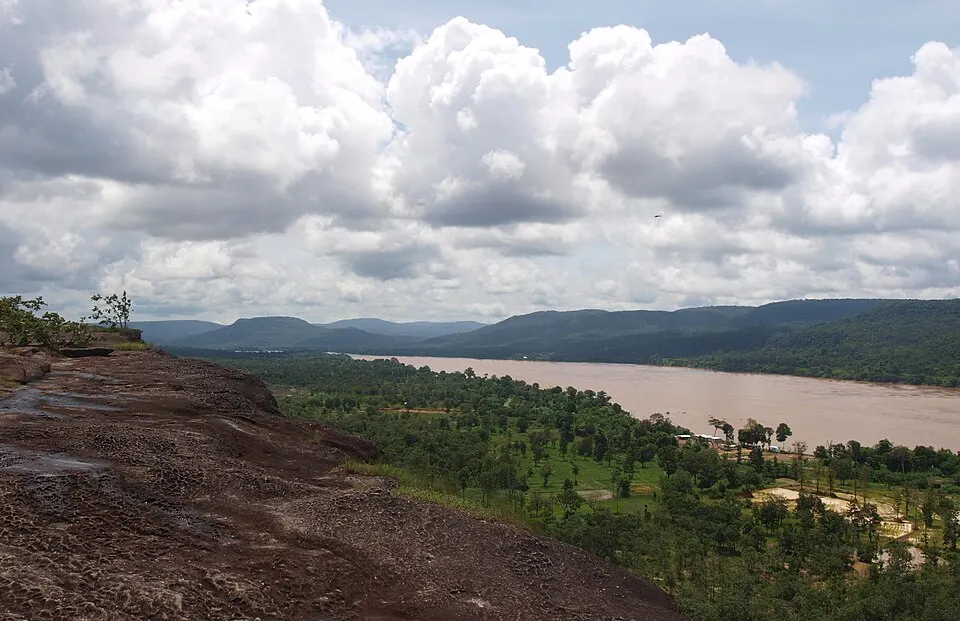
People on both banks of the Mekong share language, family ties and old trade routes. That shared identity is older than the border.

Visit Isaan with us
Our four loops run through these provinces, each with local guides.